
Leadership
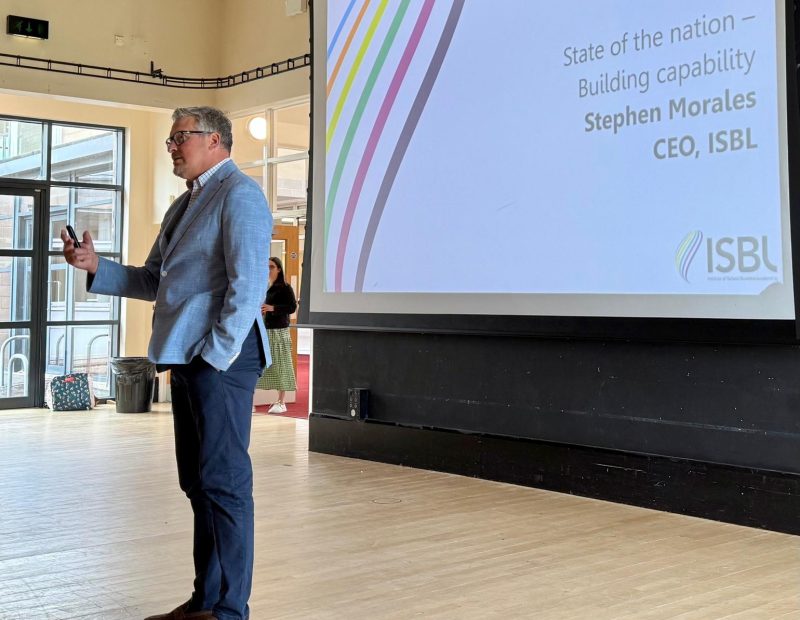
Hearing the Director General speak so candidly and compellingly about mission, governance, and system reform was a refreshing reminder of the responsibility and opportunity we hold as leaders in education. While the themes centred around structural reform, equity, and public service transformation, I found myself reflecting on how closely this vision aligns with the role of digital strategy and AI in shaping the future of our schools.
At the heart of the discussion was a call to break down silos and create a more integrated, ambitious system, rooted in place and purpose. For those of us supporting trusts with digital transformation, this is more than familiar. It is foundational.
A Mission-Led Approach to Digital Strategy
The Director General spoke of the “simple but powerful idea” of galvanising the system around big, bold goals – like breaking the link between childhood disadvantage and future life chances. This is not just policy. This is mission.
In digital terms, this means stepping beyond reactive, piecemeal initiatives and investing in technology that supports long-term outcomes. A true mission-led digital strategy should:
- Build equitable access to tools, data, and insights
- Prioritise early intervention through intelligent systems
- Enable joined-up working across education, health and care
- Support every child and family to thrive, not just achieve
Technology must serve the mission, not the other way around.
The End of Silos, the Rise of Systems Thinking
One frustration expressed in the keynote was the “battleground of silos” that inhibit effective collaboration. This could not be more relevant to digital transformation. Many trusts today operate with fragmented platforms, duplicated data, and disjointed communication tools.
The opportunity – and the obligation – is to build integrated digital ecosystems that reduce duplication, support intelligent workflow, and unlock collective insight. This means interoperable systems, transparent governance, and a shared language for improvement.
We have to think less about IT departments, and more about digital culture.
The Relational State and the Human Layer of Technology
A powerful thread in the speech focused on the idea of the “relational state” – a reimagining of public service that is built on human connection rather than transactional bureaucracy. This is a profound challenge for digital leaders.
In education, AI and automation are rapidly reshaping how we assess, plan, and even teach. But if we lose sight of the relationships at the heart of learning, we risk replacing wisdom with efficiency.
Relational digital leadership means:
- Designing systems that support, not surveil
- Using AI to augment, not replace human judgement
- Embedding digital tools within the values and vision of the trust
- Building capacity and confidence in staff, not just compliance in process
This is not about replacing pastoral care with predictive analytics. It is about giving staff the time and tools to build deeper, more effective relationships.
Joining the ‘Team Sport’ of Reform
One phrase stood out: “Join the team sport of delivery.” That could just as easily be said about digital change. Transformation does not happen in isolation. It requires open dialogue with policymakers, collaboration with partners, and meaningful engagement with those on the ground.
At TransforMATive, we have seen this in practice – whether through co-developing AI strategies with MAT leaders, aligning MIS and HRIS procurement with values, or bringing trusts together to share digital governance practices.
When the Director General encouraged us to “challenge thinking” and “build out what works,” I was reminded that digital maturity is not just about capability. It is about confidence. It is about trust.
From Optimism to Action
In closing, the conversation turned philosophical. How do we replace the pessimism of policy with the optimism of purpose? It is a beautiful question, and one that applies directly to digital leadership.
Too often, digital strategy is seen as a reaction to risk or a box-ticking exercise. But what if we viewed it instead as a vehicle for optimism? A tool to widen opportunity, elevate voice, and build better futures?
If we can harness our digital capacity in service of our mission, we move from technology as a cost to technology as a catalyst.
Final Thoughts: What Kind of System Are We Building?
The speech ended with a reminder that our system, though not perfect, is respected globally. We have much to be proud of. But pride should never become complacency.
As we await the next white paper, AI policy, and accountability reforms, now is the time to shape what comes next. Our decisions today will define the tools, systems and culture of the next generation of schools.
Let us ensure those choices reflect not just what we can do, but what we should do.