

Leadership
One of the privileges of preparing for TransforMATive LIVE: Sweden has been the opportunity to spend time in Stockholm, visit schools, speak with education leaders and begin to understand the system from the inside rather than from a distance.
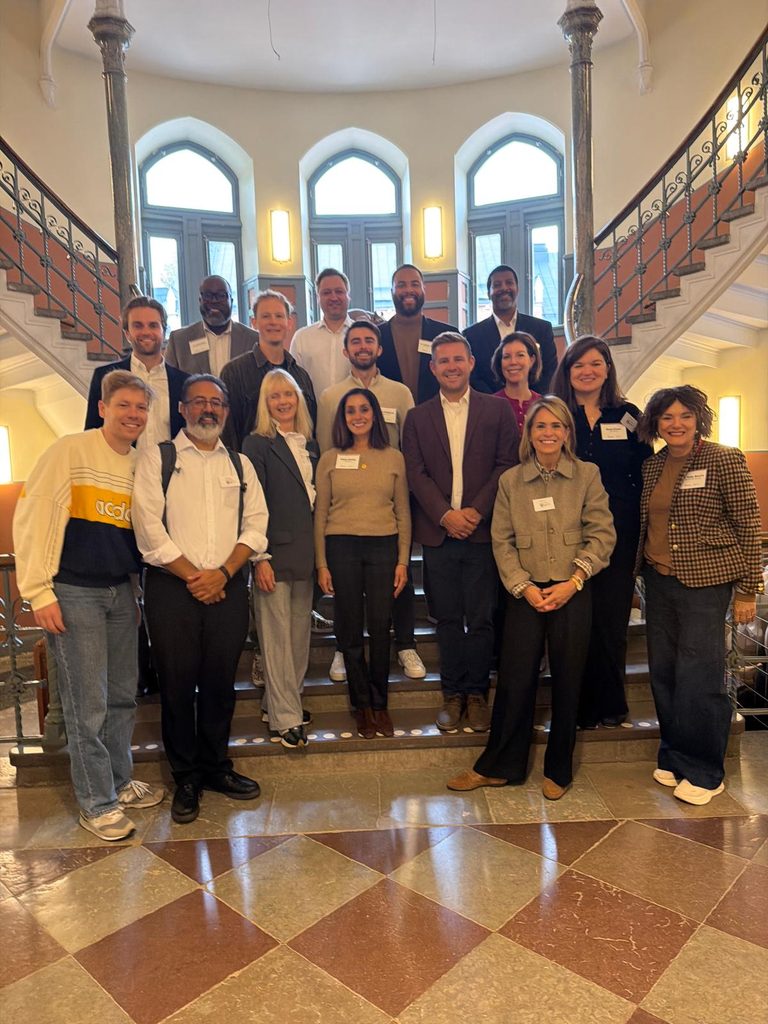
What struck me most was not any single policy, technology or classroom practice. It was the value of stepping outside our own context.
In England, it is very easy to become absorbed by the immediate pressures of the system: accountability, attendance, funding, recruitment, workload, digital strategy and the pace of AI adoption. Those challenges are real, but they can also narrow our field of vision.
Being in Stockholm created a different kind of space.
Conversations with Swedish education leaders offered a perspective shaped by a different culture, policy environment and relationship with technology. Engaging with superintendents from the United States added another dimension again: different governance, different terminology, different constraints, but often remarkably familiar questions about pupils, teachers, leadership and the role technology should play.
That is where curiosity becomes powerful.
The value of international exchange is not in searching for a model that can simply be imported into another system. Context matters too much for that. The real value comes from asking better questions.
Why do you do it that way?
What problem were you trying to solve?
What has worked?
What has not?
What would you change if you were starting again?
And, perhaps most importantly: what assumptions in our own system have we stopped noticing because they feel normal to us?
That same mindset matters in the age of AI.
Technology can increasingly provide us with answers at extraordinary speed. It can summarise, analyse, recommend and generate. But leadership still requires the curiosity to interrogate those answers, seek alternative perspectives and understand the context behind them.
There is a risk that greater access to information makes us less inclined to explore.
For me, experiences like TransforMATive LIVE: Sweden are a deliberate counterbalance to that.
They create space to observe schools directly, hear from people working in different systems, compare perspectives and return to our own organisations with new questions rather than borrowed solutions.
To Connect is not simply to meet more people. It is to expose ourselves to perspectives that challenge our own, to make connections between ideas and to remain curious enough to reconsider what we think we already know.
The most valuable outcome of an international leadership exchange is therefore unlikely to be a list of things to replicate.
It is the moment when somebody else’s experience causes you to look at your own organisation differently.
And sometimes that question, rather than the answer, is where transformation begins.