

Empowering Education Through AI: Reflections from Our AI in Education Conference

We were honoured to work alongside the brilliant Zaitoon Bukhari from ATC Trust to design and deliver this fantastic event.

Artificial Intelligence is no longer a futuristic concept it’s here, reshaping the way schools operate, teachers teach, and learners engage. Our recent AI in Education Conference in collaboration with ATC Trust brought together educators, leaders, and innovators from across the sector to explore how AI can be harnessed responsibly, creatively, and effectively in schools and trusts.

The response was overwhelmingly positive. Delegates left feeling inspired, informed, and empowered to take their next steps toward meaningful AI integration. Here’s what they had to say.

Relevance, Quality, and Organisation: Setting a New Standard

Across the board, delegates rated the conference as Excellent or Very Good in every category from the relevance of topics to the quality of speakers, networking opportunities, and overall organisation.

Attendees particularly valued the event’s balance between strategic vision and practical implementation. The sessions offered both high-level insight and hands-on guidance, equipping leaders to begin applying AI tools safely and effectively in their own contexts.

“The conference was excellent, informative, thought-provoking, and brilliantly organised. It gave us the confidence to move forward with AI in our schools.”

Learning, Sharing, and Taking Action

The conference provided a platform for collaboration and reflection. Delegates highlighted the panel discussions, workshops, and networking sessions as standout elements that encouraged sharing of ideas and strategies.

From ethical considerations to policy development, AI audits, and teacher training, participants left with a renewed sense of purpose and clarity about their next steps.

Many reported that they will now:

  • Audit their school’s current AI use
  • Develop or refine AI policies
  • Appoint digital champions to lead AI initiatives
  • Build staff confidence through targeted professional development

“It was so helpful to talk with colleagues about where we are now and where we want to be. The event gave us tools to create a clear strategy for AI in our trust.”

Themes That Resonated Most

While every session received positive feedback, several themes emerged as particularly impactful:

  • Practical implementation of AI in the classroom
  • Ethical and safeguarding considerations
  • AI for administrative efficiency
  • Personalised learning through AI
  • Teacher training and professional development
  • Policy and strategic planning for AI adoption

These themes highlight the education sector’s growing commitment to embedding AI not as a novelty, but as a sustainable, purposeful part of teaching and learning.

Inspiring Confidence and Collaboration

One of the strongest takeaways was the sense of collective optimism that filled the room. Delegates described the event as “a fear-free introduction to AI”; an opportunity to learn, question, and share ideas in a supportive environment.

“The conference created an open space to explore AI with confidence and curiosity. It’s helped us understand how to use AI safely and purposefully.”

By the close of the day, the message was clear: AI in education is not just about technology; it’s about people, pedagogy, and purposeful change.

Looking Ahead

Delegates also shared their hopes for future events, expressing interest in deeper dives into:

  • Ethical leadership in AI
  • Data protection and governance
  • Real-world case studies of successful AI implementation
  • Safeguarding and inclusivity in AI systems

The appetite for continued learning is strong, and it’s clear that educators are eager to shape the future of AI in education together.

Final Reflections

“The AI in Education Conference was an inspiring and empowering experience. The sessions were engaging, the discussions were rich, and the takeaways were immediately actionable. It was the perfect balance of strategy and practice a must-attend event for any school leader looking to embrace AI with confidence.”

As AI continues to evolve, so too does the educational landscape. Events like this one play a crucial role in helping schools and trusts navigate that journey; ensuring that innovation is always grounded in ethics, inclusion, and impact.

Privacy Notices: Statutory & Best Practice

Last week at the forum we discussed how to construct a privacy notice, considering both statutory required inclusions and other useful information. Whilst we discussed privacy notices generally there was an underlying focus on changes that may be required for organisations adopting AI systems and AI features that have gone live in their current systems.

Setting the Ground Rules: The Importance of Transparency

Privacy notices are how organisations comply with the transparency principle set out in Article 13 & 14 UK GDPR. Being open and upfront about what you do with people’s personal data helps you deal with them in a clear and transparent way. This makes good sense for any organisation and is key to developing trust with individuals

There is no prescriptive legislative description of how a privacy notice should be set out although it does need to include the following types of information:

  • The name and contact details of your organisation
  • The contact details of your data protection officer
  • The purposes of the processing
  • The lawful basis for the processing
  • Explain which lawful basis you are relying on in order to collect and use people’s personal data and/or special category data.
  • The legitimate interests for the processing
  • The recipients, or categories of recipients of the personal data
  • The details of transfers of the personal data to any third countries or international organisations
  • The retention periods for the personal data
  • The rights available to individuals in respect of the processing
  • The right to withdraw consent and how
  • The right to lodge a complaint with a supervisory authority
  • Tell people that they can complain to a supervisory authority.
  • The details of whether individuals are under a statutory or contractual obligation to provide the personal data
  • Tell people if they are required by law, or under contract, to provide personal data to you, and what will happen if they don’t provide that data.
  • The details of the existence of automated decision-making, including profiling. This is particularly important when AI is being used for placing pupils in capability related classes, exam levels and similar decisions which have a significant effect on a pupil.

AI & Privacy Notices: New Challenges

For any AI systems that process personal data, they must be included in the recipients and international transfers sections at a minimum. If a system is entirely AI, you should explain what the system is used for, who the vendor is, and the name of the system. It may be easier and more user-friendly to add a separate AI section addressing these systems. If AI features have been added to existing systems, you should expand the section of your notice that refers to that system/processor to explain the feature. This might include transcribing tools in Teams/Google Meet or grading in edTech systems for example.

For any systems used for automated decision-making and/or profiling, there are extra legal provisions to comply with. You should confirm your use of AI-enabled decisions, when you use them, and why you choose to do this, including which systems and vendors are involved. It is important to include a “human-in-the-loop” for decisions that have legal or similar effects, as Article 22 gives individuals the right not to be subject to a solely automated decision.

Article 21 of the UK GDPR also gives individuals the right to object to any profiling that you carry out on the basis of legitimate interests or a public task. In these cases, an individual can object on grounds relating to their particular situation. This applies to all systems and not just those which use AI.

If you do not use AI for automated decision making and/or profiling it can be useful to state this within your privacy notice but you would need to be certain that edTech systems aren’t being used in this way in any of your schools. Given that vendors are rushing to introduce AI in their systems it might not be possible to confidently state this in your privacy notice.

Q&A Session

A great debate emerged during our Q&A session about centralised control versus academy-level autonomy when it comes to privacy notices. Privacy notices are the responsibility of the ‘data controller,’ which in a multi-academy trust (MAT) is the Trust itself, not the individual academies. While there’s nothing stopping a Trust privacy notice from having a section relating to processing at each individual academy, this may be redundant.

The question to consider is what school-specific information would be included that couldn’t already be part of the Trust notice. If this relates to the use of systems, it may be worth adding in a paragraph for a specific school under the relevant section.

It’s also worth splitting your privacy notices into separate documents for different classes of data subjects, as a single notice can become quite large. This could include separate notices for pupils, parents/guardians, staff, governors/trustees, and suppliers/contractors. You might also consider a visitor notice, especially if you have CCTV on site.

Final Thoughts

Privacy notices and the implications of AI are complex topics, and these are just some of the key takeaways from our forum discussion. As we move forward, we’ll continue to explore new challenges. Our next session will be on 14 November at 12:45 pm, where we’ll be diving into the latest on Article 30 Record of Processing Activities including what’s required and recommended process for populating

I look forward to seeing you there!

Click here to add it to your Google Calendar or download the attached .ics file at the bottom of this blog post.

Thanks again to everyone who joined the session. See you at the next one.

Please feel free to reach out if you would like to find out more about our range of data protection, information governance & AI governance services.

Kicking off the 2025/26 Academic Year: Processing subject access requests efficiently

Earlier this month, I had the pleasure of hosting attendees at our first AI & Data Protection Forum of the academic year. The forum is a practical and open space for professionals in the education sector to come together and discuss real-world questions about AI, governance, and data protection. While we’ve talked a lot about AI recently, this session focused on another critical topic: efficiently handling subject access requests (SARs).

Acknowledge and set expectations

When you receive a SAR, the first step is to acknowledge it. This is also your chance to set expectations and make things easier for your organisation. Here’s what you should include in your acknowledgment correspondence:

  • Clarification: If any part of the request is unclear, this is the time to ask for clarification.
  • Privacy Information: You should attach a copy of the relevant privacy notice for the data subject (e.g. parent, pupil, or staff). It’s also helpful to include a link to your Data Protection Policy, as it contains additional useful information for the data subject.
  • Legal Rights: The acknowledgment should inform the data subject of their right to file a complaint with the ICO. It’s also beneficial to mention their right to enforce their request through the courts via s.167 of the DPA 2018.
  • Response Deadline: You should provide a deadline for your response if possible. Keep in mind that the time limit is extended until you receive clarification or ID from the requester.

Pupil Information: It’s important to note that Regulation 5 of The Education (Pupil Information) (England) Regulations 2005 does not apply to multi-academy trusts. If a request is made under this legislation, you should inform the requester that it will be processed as a SAR instead.

Applying Exemptions: A Crucial Step

Once you have gathered all the data, you can begin applying exemptions. It’s crucial to gather all relevant data first and not preemptively exclude information based on potential exemptions.

You may refuse a request entirely if it’s considered manifestly unfounded or manifestly excessive.

  • A request is manifestly unfounded if the individual has no intention of exercising their right of access, such as offering to withdraw the request for a benefit. It can also be considered unfounded if the request has a malicious intent, like harassing the organisation.

A request is manifestly excessive when it’s “clearly or obviously unreasonable”. This judgment should be based on whether the request is proportionate to the burden and cost of handling it. This often applies when a request largely repeats previous ones and a reasonable amount of time hasn’t passed since the last request.

Common Exemption to Consider in the Education Sector:

  • Third-party data – Schedule 2, Part 3, paragraph 16(1): You will likely need to redact third-party data as it’s rare for data sources in the education sector to not include data relating to other individuals. Remember there is a “presumption of reasonableness” for disclosing the names of teaching staff in pupil data requests but this doesn’t apply to other individuals like parents or staff.
  • Child abuse data – Schedule 3, Part 5, paragraph 21(3) of: Child abuse data is personal data consisting of information as to whether the data subject is or has been the subject of, or may be at risk of, child abuse. For this purpose, “child abuse” includes physical injury (other than accidental injury) to, and physical and emotional neglect, ill-treatment and sexual abuse of, an individual aged under 18. This exemption only applies if the request comes from someone who has parental responsibility.
  • Serious Harm – Schedule 3, Part 4, paragraph 19: The serious harm test can apply to any class of data subject whenever complying with the request would be likely to cause serious harm to the physical or mental health of any individual. This exemption overrides the “presumption of reasonableness” for disclosing the names of teaching staff in pupil data
  • Legal privilege – Schedule 2, Part 4, paragraph 19: If legal professional privilege applies to the data then it is exempt from disclosure to a data subject.
  • Exam data – Schedule 2, Part 4, paragraph 25: For pupil data, you must redact an individual’s answers from exam scripts but keep the examiner’s marks and comments. This exemption extends the response period to five months from the request date or 40 days from the announcement of exam results, whichever is earlier. You need to inform the requester of this extended deadline in your acknowledgment.
  • Staff data: You may need to apply exemptions for confidential references, records of potential negotiations, or management data such as redundancy or restructure considerations.

When responding, you must include details of the exemptions that have been applied, citing the relevant sections of the Data Protection Act 2018. When applying the serious harm test or the child abuse data exemption, you do not need to confirm you even hold the data and it is acceptable to refer to the exemption by the schedule alone. For example you could use the phrase “The Trust does not process the data which has been requested” or that “The data that you have requested is subject to an exemption under Schedule 3, Data Protection Act 2018.

The High Court decision in Ashley v HMRC [2025]

Ashley v HMRC [2025] offers important insights into what constitutes “disproportionate effort” in responding to a SAR. The court found that this isn’t limited to the time spent searching for data but can also include other difficulties in complying with the request. This may include time spent applying exemptions or redacting data

However, the ruling also clarified that time alone isn’t proof of disproportionate effort. In this case, HMRC’s argument of spending 150 hours on a request was challenged, as the time was largely spent on applying erroneous exemptions and dealing with poor data systems.

This decision highlights the need to have efficient systems and to ensure that any time spent on a SAR is necessary and justifiable when arguing that the request is disproportionate.

Final Thoughts

Subject access requests can be complex, and these are just some of the key takeaways from our forum discussion. As we move forward, we’ll continue to explore new challenges. Our next session, on Friday 10 October at 12:45pm will delve into the statutory requirements of your organisation’s privacy notices, particularly as the education sector continues to adopt AI features.

Click here to add it to your Google Calendar or download the attached .ics file.

Thanks again to everyone who joined the session—you made it what it was. See you at the next one.

Please feel free to reach out if you would like to find out more about our range of data protection, information governance & AI governance services.

Matthew

Building Resilience in a Digital Age: Reflections from the TransforMATive & Xentra Roundtable

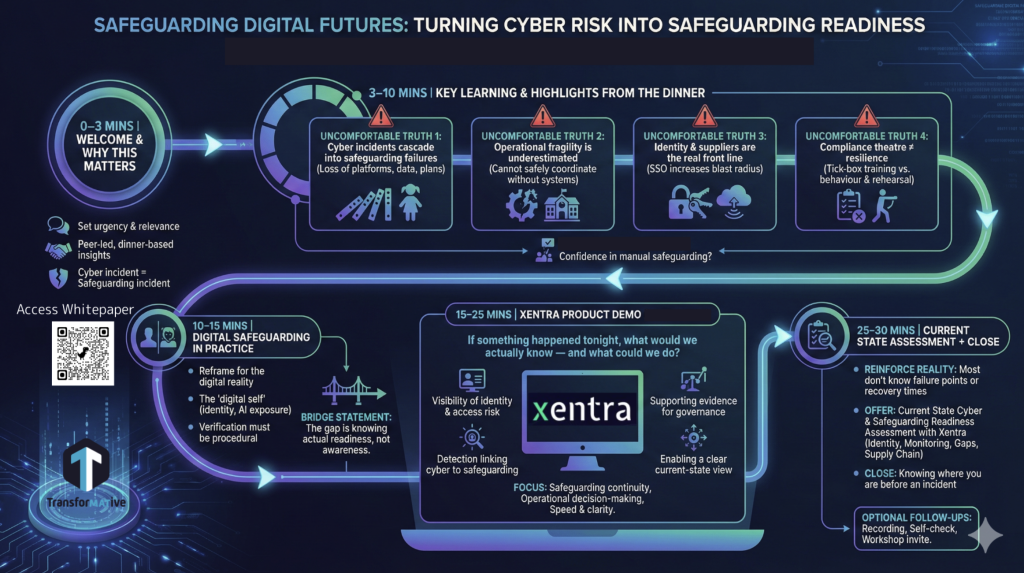
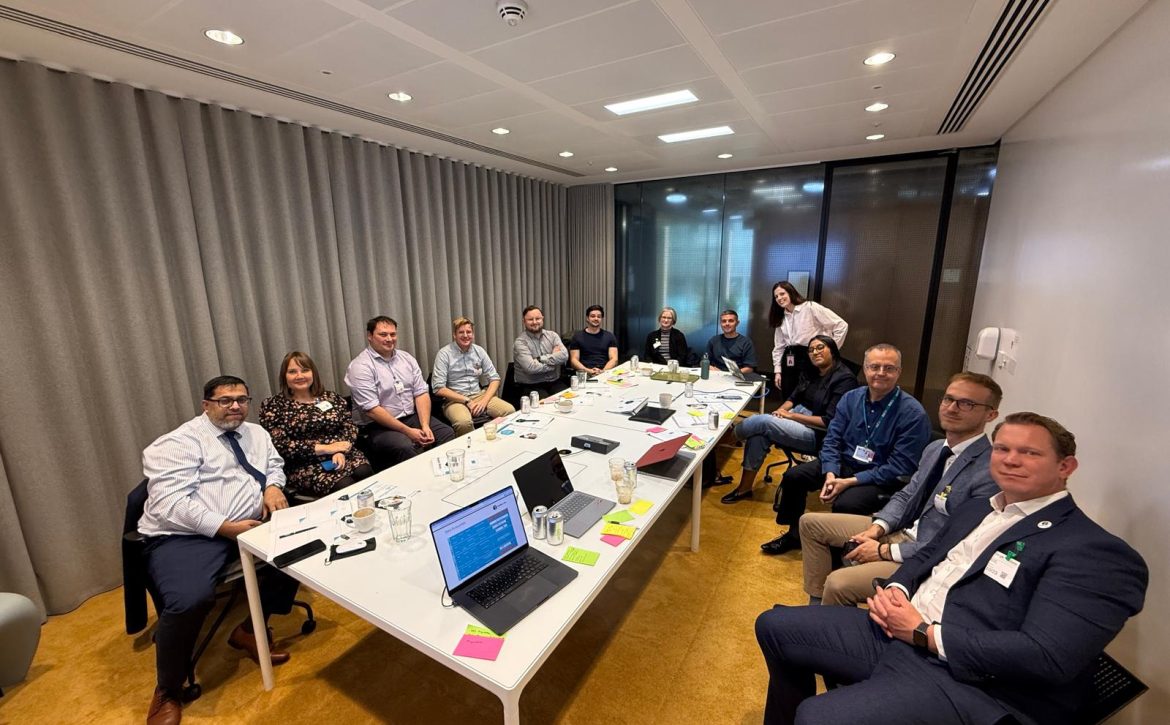
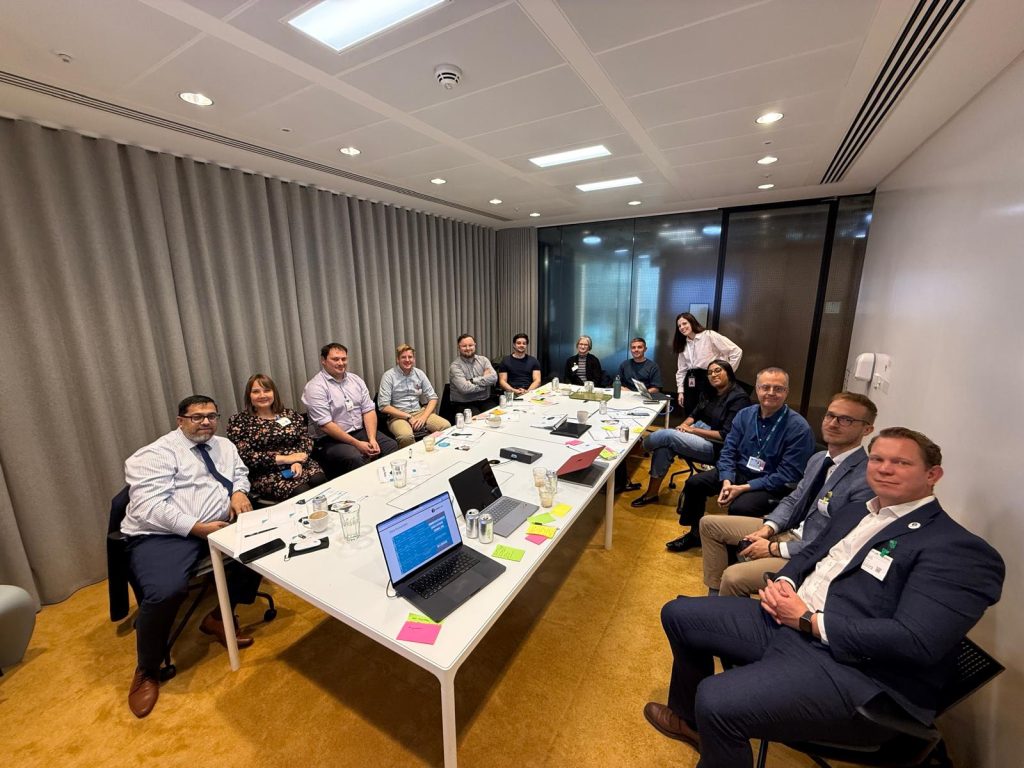
On 18th June, TransforMATive, in partnership with Xentra, brought together a select group of education leaders, digital strategists, and cybersecurity experts from across England’s multi-academy trust (MAT) sector for a powerful roundtable dinner in Birmingham. The focus: Data Resilience in Educational Transformation — a theme growing ever more urgent as trusts scale digital systems, embrace AI, and face an increasingly complex threat landscape.

This was not a session about technology for technology’s sake. It was about responsibility, risk, and readiness. The discussions went far beyond the usual tick-box compliance mindset and instead tackled the deeper cultural and strategic challenges facing the sector. Together, we explored how cyber resilience is no longer a peripheral IT concern but a fundamental pillar of operational, reputational, and educational continuity.

Key Themes and Takeaways

1. Cybersecurity is Strategic
MAT leaders are rightly repositioning cyber risk as a strategic issue that impacts every area—from governance and learning to trust growth and community confidence. It must be owned from the top.

2. Culture Over Compliance
The sector is waking up to the limitations of surface-level schemes such as Cyber Essentials. True resilience demands an embedded culture—one rooted in awareness, ownership, and continuous learning.

3. Leadership is Pivotal
Cyber maturity is not achieved by IT teams in isolation. It requires executive sponsorship, cross-functional collaboration, and empowered technical leadership across the organisation.

4. Simulation Matters
Regular phishing simulations, tabletop exercises, and breach rehearsals were seen as essential tools in developing readiness and building confidence at all levels.

5. Secure by Design
Trusts must move beyond bolted-on security solutions. Instead, resilience must be baked into the design of systems, procurement processes, and digital transformation strategies from the outset.

Recommendations for Trust Leaders

  • Secure senior ownership by appointing a board-level sponsor for digital risk.
  • Invest based on maturity and threat, not just frameworks.
  • Develop internal capability and independent assurance to avoid over-reliance on individuals or vendors.
  • Embed cybersecurity as a life skill, not a policy.
  • Plan for the inevitable, with a clear incident response playbook and 24/7 monitoring.

Looking Ahead

This roundtable reaffirmed the sector’s growing recognition that resilience isn’t about reacting to threats—it’s about building trust, safeguarding progress, and securing the future. As we continue to support trusts across the country, we remain committed to fostering the leadership, capability, and culture needed to navigate these challenges with confidence.

If your trust is ready to take the next step in its digital and cyber maturity journey, get in touch. We’d love to help.

Curiosity to Capability: Reflections on the Google Leaders Series

Earlier this month, I had the opportunity to attend the Google Leaders Series in London, a gathering of education leaders, digital strategists and sector partners focused on one urgent question: what does meaningful AI adoption in education actually look like?

This was not a product showcase or a tech demonstration. It was a timely, thoughtful and energising event that placed people, purpose and pedagogy at the heart of the digital transformation conversation.

From Possibility to Practice

The day opened with a keynote from Jos Dirkx, whose message was as powerful as it was timely. AI is not a future issue, it is a present one, and how we choose to think about it will define how we use it. Whether with a mindset of curiosity, creativity or service, she challenged us to see this moment not only as a technological shift but a deeply human one.

We heard from trusts including Cidari, LEO Academy and Tiffin Girls’ School, each of whom shared practical insights about their own journey with AI. From using Gemini to reduce administrative workload to embedding assistive tools for learners with SEND, the common theme was clear. AI has enormous potential, but only when it is aligned with real priorities and grounded in the realities of the classroom.

Leading With Purpose, Not Panic

Throughout the event, there was a strong focus on ethical leadership. Google’s reaffirmation of its position on data privacy and the UK Government’s guidance on the use of student work in generative AI models were welcome reminders of the responsibilities that sit alongside innovation.

As leaders, we must ensure our approach is governed by thoughtful questions. Are we embedding equity into our systems and decisions? Are we prioritising pedagogy over convenience? Are staff confident, equipped and engaged, or are they overwhelmed by complexity?

At TransforMATive, these are the same questions we explore during our AI workshops with trusts. It was reassuring to see this level of ethical scrutiny mirrored so strongly throughout the event.

From Inspiration to Implementation

The afternoon sessions brought those big ideas back to ground level. Practical workshops guided us through a five-step model for AI implementation, covering strategy development, stakeholder engagement, pilot planning and ongoing governance.

What This Means for Our Sector

At TransforMATive, we continue to champion the idea that AI should not replace human judgement. Instead, it should help reclaim time, reduce friction and enable educators to focus on what really matters. Relationships, creativity, and impact.

The Google Leaders Series was a powerful reminder that the conditions for effective digital change are already emerging. The tools are ready. The ideas are flowing. What matters now is leadership that can turn vision into momentum, and momentum into meaningful change.

For the trusts we support, events like this provide far more than inspiration. They serve as a springboard for action, offering clarity, credibility and confidence.

Final Reflections

As we look ahead to a new academic year, one thing is clear. AI in education is no longer a conversation about the future. It is a conversation for now. It requires maturity, humility and strategic intent.

To everyone involved in the Google Leaders Series, thank you for creating a space where education leaders could listen, reflect and lead with purpose. You have helped us all move from curiosity to capability.

Let us keep this energy going. Let us continue to share, collaborate and build the systems our children deserve.

The future is not something we wait for. It is something we shape, together.

Strategy to Inspiration: Exploring the Art of the Possible at Google HQ

Over the past year, TransforMATive colleagues have had the privilege of supporting a growing number of trusts on their digital transformation journeys. Each one starts in a slightly different place; with its own set of challenges, strengths and ambitions. But at the heart of every conversation is a shared goal: to make technology work meaningfully for staff and students.

For The Howard Academy Trust, this journey has involved a deep dive into strategic discovery, focused on aligning digital investment with long-term improvement. As part of that work, Lisa recently supported senior leaders from the trust to attend a Google Discovery Day at Google HQ in London and it proved to be a genuinely transformative experience.

Seeing the Art of the Possible

The event, hosted by Google and Getech, was designed for education leaders new to the Google ecosystem. It was an opportunity to step out of the everyday and explore what’s possible when strategy, collaboration and innovation come together with the right tools in place.

Interactive sessions gave our clients hands-on experience with Gemini, Google Workspace and ChromeOS. More importantly, the day created space for reflection on how AI and automation might reduce teacher workload, how shared platforms can support more agile working, and how infrastructure choices can either limit or unlock progress.

For leaders navigating difficult terrain, rising pressures, stretched budgets, workforce fatigue, it was an energising reminder of what digital can make possible when approached thoughtfully.

From Curiosity to Clarity

One of the most valuable aspects of the day was the shift in mindset it encouraged. Digital strategy is not just about systems or savings. It’s about creating the conditions for people to thrive.

The Howard Academy Trust came away with greater clarity around:

  • The role of cloud collaboration in improving operational flexibility
  • How AI-powered tools can support, not replace, professional judgement
  • The importance of aligning digital decisions with organisational values and priorities

This event didn’t just add to their digital to-do list. It helped refine their digital why.

Designing for Impact

At TransforMATive, we often talk about the difference between digital activity and digital impact. Strategy is the bridge between the two. That’s why experiences like the Discovery Day matter. They offer leaders the chance to step back, explore possibilities, and return with fresh insight to apply within their own context.

For The Howard Academy Trust, this visit formed one part of a broader discovery and planning process. But it played a key role in surfacing questions, validating priorities, and building confidence around next steps.

It’s a model we’ll continue to use with other trusts, not as a one-size-fits-all solution, but as a way to inspire ambition and bring digital thinking to life.

Final Reflections

In a sector facing constant challenge, it’s easy to become reactive. To focus only on compliance, firefighting, or the next procurement cycle. But real transformation starts when we create time to explore, imagine and question.

Attending a Discovery Day at Google HQ reminded us that digital change is not just about what we use it’s about why and how we use it. It reaffirmed that technology should serve people, not the other way around. And it highlighted the power of stepping outside our daily environments to see the bigger picture.

As we continue supporting trusts on their digital journeys, we’ll keep creating these moments of inspiration. Because sometimes, the best way to move forward is to simply look up and reimagine what’s possible.

From Pressure to Possibility: Financial Leadership and the Power of the Tribe

As this academic year draws to a close, I have been reflecting on one of its most meaningful developments: the formation of the TransforMATive Tribe. What began as a network of 14 MAT CFOs within reach of Leeds has grown into something far more powerful. It has become a movement rooted in collaboration, insight and shared purpose.

Together, we have faced significant financial pressures, uncertain pay settlements and the ongoing demands of a maturing system. Rather than weather these challenges in isolation, we came together to respond with clarity, confidence and community.

Shared Struggles, Shared Strength

It all started with a dinner table. Breaking bread with colleagues set the tone for what followed: honest conversation, mutual support, and the sharing of practical strategies. Throughout the year, our discussions have covered everything from automation and procurement to income generation and benchmarking.

What has stood out to me is not only the depth of expertise around the table, but the generosity with which it has been shared.

Recipes for Resilience

Our collective learning has now been captured in the CFO Playbook: Recipes for Financial Success. This practical guide shares real examples of action and impact across three core themes:

  • Operational Efficiency
  • Income Generation and Diversification
  • Effective Benchmarking

Whether it is Red Kite’s automation of procure-to-pay (saving 575 hours annually) or Australia MAT’s centralised finance model built on specialist roles, each recipe offers tested ideas for trusts to adapt and implement.

These strategies are not theoretical. They are grounded in real practice and designed to be useful across the sector.

Collaboration That Builds Capacity

One of the key messages that emerged throughout the year is that collaboration builds capacity. Melissa’s reflections from STAR MAT highlighted this beautifully. From procurement alignment to resource sharing and preparation for merger, her trust’s journey is a powerful reminder that meaningful change often begins with shared intent.

James’ leadership on finance benchmarking was equally impactful. His work moved beyond surface-level comparisons to deliver sector-led, detailed analysis of cost per pupil across finance processes. This approach helps trusts make evidence-informed decisions and understand the hidden costs of routine operations.

Taking Control in Uncertain Times

As Stuart McCluskey from Civica noted, many of our discussions were marked by a real sense of urgency. In some sessions, announcements about funding or pay awards were unfolding in real time. But rather than react passively, Tribe members responded with intention.

We heard examples of trusts generating income through gym memberships, wraparound childcare and selling services. These approaches are not just about resilience. They are about trusts taking greater control of their financial futures in order to invest in what matters most.

A Platform for What Comes Next

I am incredibly proud of what the Tribe has achieved this year. The CFO Playbook is a significant output, but the real success lies in the relationships built and the collective ambition it represents.

This model of peer-led collaboration is one we hope to build on, whether through future regional tribes or deeper exploration of key themes. We know that many trusts across the country face similar challenges, and we hope this resource is both relevant and helpful.

Final Reflections

If there is one thing this year has reinforced, it is that financial leadership in education is no longer just about managing risk. It is about creating opportunity. The most effective leaders are not only improving processes, they are strengthening culture and aligning resources to purpose.

To everyone who contributed to the Tribe, thank you. You have demonstrated that even in the most challenging conditions, possibility emerges when we choose to work together.

Let us keep building from here. Together.

Operational Excellence, Digital Ambition and the Reality of Reform

As we reflect on a year of change under a new government, Steven Morales’ closing keynote at the Red Kite Learning Trust conference provided a sobering yet inspiring view of where we are and where we must go. His words resonated with me as a leader working at the intersection of education and technology, particularly as we guide trusts on digital transformation journeys rooted in sustainability, innovation and impact.

Steven rightly noted that while there was hope for a renewed focus on education, it has not materialised with the clarity or urgency many anticipated. The sentiment of “structure agnostic” reform has led to uncertainty – about the future of academisation, the role of trusts, and the broader system architecture. Yet amidst this ambiguity, operational strength has never been more vital. This is not a time for passivity. It is a time to build from the inside out.

From Efficiency to Capacity Gains

A central message was clear: we must shift our mindset from efficiency savings to capacity gains. Rather than viewing resourcing through the lens of cuts or containment, we need to create space – for learning, for leadership, for innovation. Technology, particularly AI and automation, can be powerful levers here.

As Steven observed, AI is coming at us like a freight train. It is no longer a theoretical discussion. From data analysis to workflow automation, the tools are ready. The question is: are we? Our work with trusts reveals enormous potential in reimagining tasks that are repeatable and predictable. These are ripe for automation – freeing up precious human energy to focus on relationships, creativity and strategy. But this only works when there is digital confidence and leadership at the heart of the organisation.

Digital Leadership is Organisational Leadership

This is not a bolt-on. Digital capability is now integral to how we lead. Steven’s concept of “joined-up leadership” – where pedagogy, business and governance cohere around a shared mission – reflects the very heart of digital transformation. You cannot improve curriculum or outcomes without thinking about timetabling, systems, data, infrastructure and resource. Digital leadership is not the responsibility of the IT lead. It belongs at the strategic core.

Too often, however, we see operational leadership undervalued or isolated. Steven highlighted that nearly 50% of school business leaders do not receive an annual performance conversation. This is unacceptable. If we are serious about transforming education, we must invest in people, not just platforms. Culture and capability are the true enablers of change.

Reimagining the Operating Model

The ISBL’s operational excellence framework offers a structured, evidence-based approach to doing just that. Its domains – from process design to data performance, quality assurance, and continuous improvement – provide a roadmap for trusts to become not just well-run, but future-ready. The analogy to Team GB’s Olympic transformation was a powerful one. Marginal gains in kit, nutrition and mindset translated into global success. We must apply the same ambition to our school systems.

At TransforMATive, we are already seeing the benefits of this thinking in our partnerships. Whether it’s automating admissions pipelines, aligning financial planning tools, or developing trust-wide AI strategies, the most successful organisations are those that think holistically, act strategically, and empower every leader to lead.

Conclusion: A Call to Collective Courage

Steven reminded us that operational leadership is not separate from educational excellence – it enables it. And it’s time we treated it with the same rigour and respect. In a political landscape that remains uncertain, our best bet is to build strong from within.

Digital transformation is not about shiny tech. It’s about smarter ways of working. It’s about freeing time for the things that matter. It’s about resilience in the face of complexity. And most of all, it’s about leadership – connected, confident and capable.

We may not control policy. But we do control our ambition.

Startup to Scale-Up: What Education Can Learn from Innovation in Business

I had the privilege to attend and present at the Red Kite Learning Trust conference earlier this month. The conference focused on technology and operational excellence and I had the pleasure of hearing Mark share his remarkable journey from corporate boardrooms to craft beer startups and back again. It was full of sharp insights, hard lessons, and generous humour. And although Mark came from outside education, everything he said resonated deeply with the challenges we face in transforming our schools and trusts.

Innovation, after all, is not exclusive to products and profit. It is equally critical in public service and education, especially in an era where we are asked to deliver more with less, adapt to ever-changing demands, and scale solutions in complex environments. Mark’s message was clear: we need to develop dual capability – the systems to operate efficiently and the mindset to innovate boldly.

Education Needs Both Operating Systems

Mark made a key distinction between two kinds of operating models: the execution engine that delivers day-to-day operations and the venture engine that tests and scales new ideas. Most organisations, he noted, tend to have one or the other. Rarely both.

This is exactly the tension we see in schools and trusts. We are excellent at routine. We have compliance nailed. But when it comes to scaling innovation – whether it is adopting AI tools, rethinking MIS procurement, or designing cross-school digital infrastructure – many organisations get stuck.

To thrive, we must adopt what Mark called an “ambidextrous mindset” – where operational excellence and innovation coexist. In digital terms, this means building agile infrastructure and governance systems that allow us to test, learn and iterate without compromising on safeguarding, finance, or educational standards.

Focus: Know What You’re Brilliant At

One of Mark’s central themes was the power of focus. In a sea of demands, distractions and half-funded initiatives, organisations need to double down on their unique strengths. This lesson is vital for multi-academy trusts navigating digital strategy.

Too many digital programmes try to do everything: plug every gap, satisfy every voice, chase every metric. The trusts that succeed are those that focus on what they do exceptionally well – whether that is community engagement, teacher development, or data-led decision making – and build digital systems that amplify that strength.

Ask yourself: what is your trust’s digital superpower? What would other trusts look at and wish they had?

Originality: Redefining Constraints

Mark’s advent calendar anecdote was more than just clever marketing. It was a lesson in reframing constraints. Faced with a warehouse bottleneck in December, they created demand in November. The limitation led to innovation.

Schools face their own unmovable constraints: the school day, term dates, inspection cycles, budget limits. But what if we treated these not as roadblocks, but as design prompts? What if we asked: how might we innovate within (or even around) the structure of the school year?

In our work at TransforMATive, we see the best ideas emerge when teams are given permission to think differently. AI use in lesson planning, dynamic timetabling, shared procurement across trusts – these ideas often come from the margins, not the centre.

Results: Move from Theory to Test

Mark was rightly sceptical of focus groups and “big launch” thinking. He reminded us that the only way to test desirability is to put something in front of people and see if they will actually use it. He used the framework of desirability, feasibility, and viability – a tool we should be applying more often in education technology projects.

This means:

  • Building minimum viable pilots instead of massive rollouts
  • Listening to real feedback from users – not just reports
  • Using data to guide iteration, not to punish deviation

We need to create a culture in education where testing small and failing safely is not just accepted, but expected.

Growth: From Pilot to Scale

Once something works, the next challenge is scaling it without breaking it. Mark’s story of Perfect Draft and the beer gifting platform mirrored the challenge we see in trusts: how do you scale a good idea from one school to many?

Here, governance matters. Advisory boards, communities of practice, digital leadership networks – these are the infrastructure we need to scale ideas responsibly. We have seen trusts grow AI practices from a single classroom to a trust-wide strategy by embedding support, professional development, and shared learning pathways.

If your digital project is stuck at pilot stage, ask yourself: who is helping you grow it?

Ecosystem: Innovation is a Team Sport

The final message was perhaps the most important. Innovation is never a solo effort. Mark reminded us that building an innovation ecosystem involves talent, knowledge, funding and most of all, community. He spoke of partnering across geography and sector, assembling diverse skills and creating the conditions where ideas can thrive.

In education, this is critical. No single trust can solve the sector’s challenges alone. We need federated learning, shared platforms, and transparent knowledge exchange. We need partnerships with EdTech firms, universities, local authorities, and yes, with each other.

At TransforMATive, we are building these ecosystems every day – across MATs, with AI policy developers, with software providers and frontline educators – all with one aim: better outcomes for children.

Conclusion: Forge a Path Forward

Mark summarised his approach using the acronym FORGE: Focus, Originality, Results, Growth, Ecosystem. It is a model worth borrowing.

In a time of tight budgets, rising need and accelerated change, we do not just need innovation. We need intentional, inclusive, and strategic innovation.

We need digital leadership that is not afraid to test, fail, listen and grow.

We need operational structures that deliver stability, and cultural mindsets that invite disruption.

And above all, we need to remember that technology is only ever a means to an end. That end must be a better, fairer, more empowering education system for all.

Inclusion, Technology and the Moral Purpose of Digital Leadership

Listening to Tom Rees speak is always grounding. His keynote this week was no exception. At its core, it was a call to re-engage with the moral foundations of our education system. A reminder that, despite all our complexity and systems and metrics, we are here for one reason: to give every child the opportunity to live a full, enriched life.

Tom’s message, centred around the lived reality of children with special educational needs and disabilities (SEND), was deeply human and fundamentally civic. As someone immersed in digital strategy, I came away with a simple question: are our technologies serving inclusion, or unintentionally reinforcing exclusion?

Technology with a Moral Purpose

Tom’s speech took us from the East End of 1920s London to the current state of our SEND system. He reminded us of the post-war promise of the welfare state – a promise of education, healthcare and social care for all. But he also laid bare the gaps that still persist, particularly for children with additional needs.

In our world of digital transformation, we must ensure our work upholds that promise. Whether we are rolling out a new MIS, implementing an AI-powered assessment tool, or embedding analytics into the classroom, we must ask: who is this for? Who benefits? And most importantly, who might be left behind?

Technology must be a bridge, not a barrier.

Rejecting the Binary: There Are Only Children

One of the most powerful statements Tom made was this: “There are no ‘SEND children’ and ‘other children’. There are only children.” This simple truth speaks volumes. It challenges the structures and silos that we, sometimes inadvertently, replicate in our systems.

Digital strategy is no exception. All too often, accessibility is seen as a bolt-on, inclusion as someone else’s job, or data on SEND pupils as an afterthought. But real digital leadership understands that inclusion must be baked in from the beginning – in user design, in training, in procurement decisions and in the data we prioritise.

We must stop designing systems for the average child. We must start designing for every child.

SEND and the Evidence Gap in EdTech

Tom challenged us to admit that SEND has not benefitted from the same rigorous, evidence-informed reform as curriculum or assessment. I would argue the same applies to EdTech. While the sector has raced ahead in AI, automation and analytics, we have not yet held our innovations to the standard SEND learners deserve.

We see too many tools that lack adaptive features. Too many platforms that do not interface with assistive technology. Too much inconsistent advice around digital inclusion. And too few partnerships between trusts, tech providers and SEND professionals to co-design what good looks like.

At TransforMATive, we are committed to closing this gap. Whether supporting trusts with AI strategy, procurement, or platform development, we work to ensure that inclusion is not a compliance exercise, but a core design principle.

From Diagnosis to Design: Data That Works for Everyone

Tom also spoke about the “labelling industry” – how we have become too quick to classify children, often inconsistently, and with labels that follow them for life. This made me reflect on our use of data in digital systems.

Are we using data to liberate or to limit? Are we designing dashboards that flag “SEND status” as a risk indicator, or as a signpost for tailored support and strength-based insight?

Digital leaders have a responsibility to reshape how we see and serve our children through data. This includes:

  • Developing strength-based data models
  • Prioritising accessible and inclusive analytics
  • Building systems that reflect potential, not just problems
  • Ensuring that SEND and inclusion leads are involved in every tech procurement decision

A Broader, Richer Vision of Education

Tom’s three purposes of education – to educate, to enrich, and to empower – could form the foundation of a digital vision for any trust. These are not just abstract aims. They offer a framework for how we should be using digital tools:

  • Educate: Technology must support high-quality teaching and deep learning, not replace it.
  • Enrich: Platforms must create opportunities for creativity, connection and joy.
  • Empower: Systems must increase voice, agency and belonging, particularly for those who have been underserved.

This is why inclusive digital transformation matters. It is not just about infrastructure. It is about justice.

Conclusion: Holding the Promise

Tom’s grandmother, Connie, lived through two world wars and still carried with her a belief in building a better world for the next generation. Her life, and the values it embodied, were woven through his keynote as a living metaphor for what our education system can – and should – be.

Digital leadership must carry that same promise. Not just to make things faster or smarter, but fairer and more human. To use our tools not simply to diagnose deficits, but to design dignity. To make the system work for every child, especially those it has failed in the past.

That is the promise we must hold. And we must hold it together.