

Category: Leadership

Unlocking Digital Leadership for the Future of Education

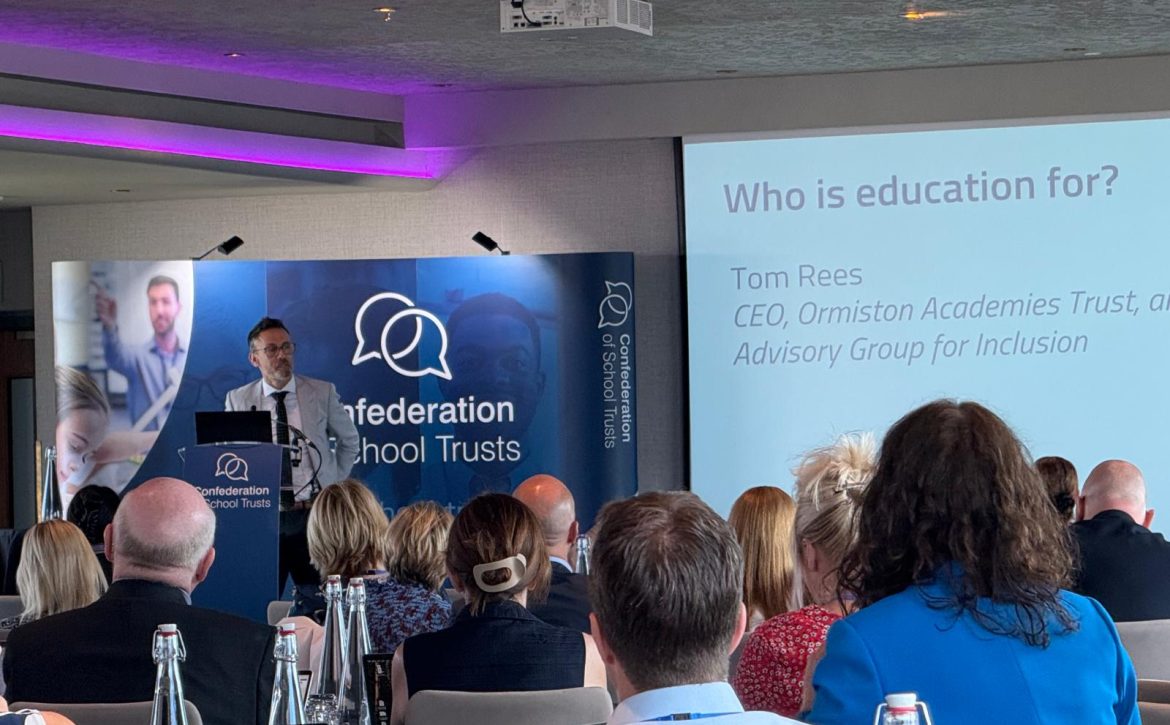
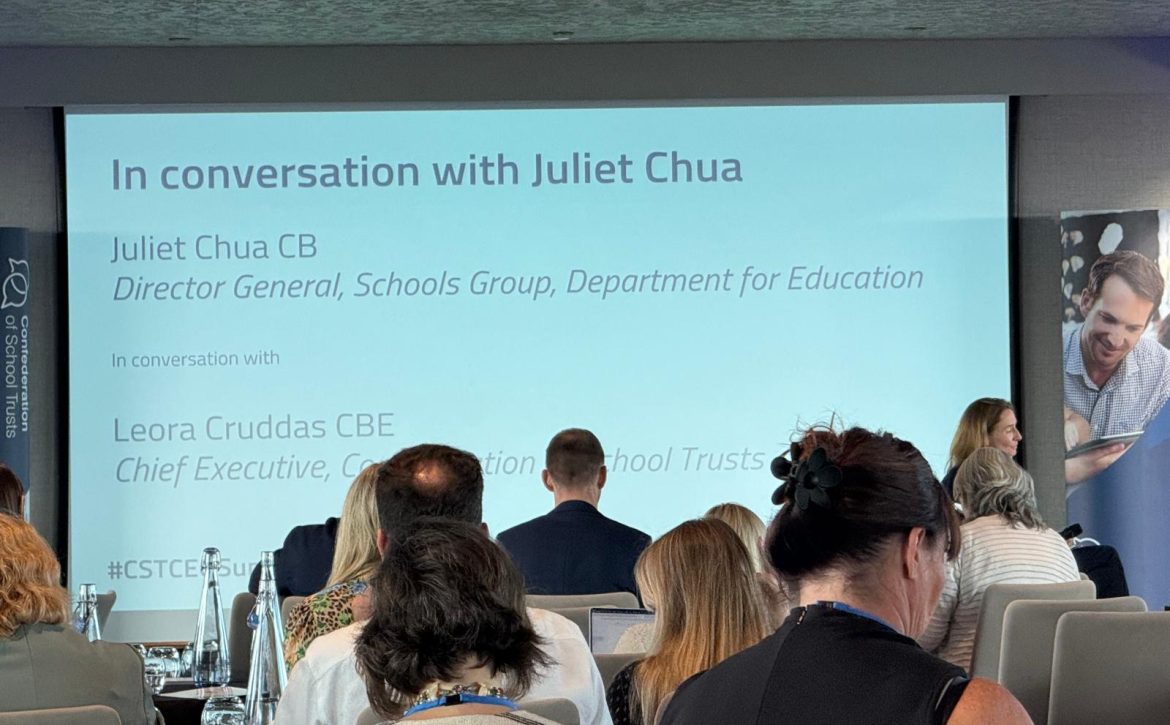
Hearing the Director General speak so candidly and compellingly about mission, governance, and system reform was a refreshing reminder of the responsibility and opportunity we hold as leaders in education. While the themes centred around structural reform, equity, and public service transformation, I found myself reflecting on how closely this vision aligns with the role of digital strategy and AI in shaping the future of our schools.

At the heart of the discussion was a call to break down silos and create a more integrated, ambitious system, rooted in place and purpose. For those of us supporting trusts with digital transformation, this is more than familiar. It is foundational.

A Mission-Led Approach to Digital Strategy

The Director General spoke of the “simple but powerful idea” of galvanising the system around big, bold goals – like breaking the link between childhood disadvantage and future life chances. This is not just policy. This is mission.

In digital terms, this means stepping beyond reactive, piecemeal initiatives and investing in technology that supports long-term outcomes. A true mission-led digital strategy should:

  • Build equitable access to tools, data, and insights
  • Prioritise early intervention through intelligent systems
  • Enable joined-up working across education, health and care
  • Support every child and family to thrive, not just achieve

Technology must serve the mission, not the other way around.

The End of Silos, the Rise of Systems Thinking

One frustration expressed in the keynote was the “battleground of silos” that inhibit effective collaboration. This could not be more relevant to digital transformation. Many trusts today operate with fragmented platforms, duplicated data, and disjointed communication tools.

The opportunity – and the obligation – is to build integrated digital ecosystems that reduce duplication, support intelligent workflow, and unlock collective insight. This means interoperable systems, transparent governance, and a shared language for improvement.

We have to think less about IT departments, and more about digital culture.

The Relational State and the Human Layer of Technology

A powerful thread in the speech focused on the idea of the “relational state” – a reimagining of public service that is built on human connection rather than transactional bureaucracy. This is a profound challenge for digital leaders.

In education, AI and automation are rapidly reshaping how we assess, plan, and even teach. But if we lose sight of the relationships at the heart of learning, we risk replacing wisdom with efficiency.

Relational digital leadership means:

  • Designing systems that support, not surveil
  • Using AI to augment, not replace human judgement
  • Embedding digital tools within the values and vision of the trust
  • Building capacity and confidence in staff, not just compliance in process

This is not about replacing pastoral care with predictive analytics. It is about giving staff the time and tools to build deeper, more effective relationships.

Joining the ‘Team Sport’ of Reform

One phrase stood out: “Join the team sport of delivery.” That could just as easily be said about digital change. Transformation does not happen in isolation. It requires open dialogue with policymakers, collaboration with partners, and meaningful engagement with those on the ground.

At TransforMATive, we have seen this in practice – whether through co-developing AI strategies with MAT leaders, aligning MIS and HRIS procurement with values, or bringing trusts together to share digital governance practices.

When the Director General encouraged us to “challenge thinking” and “build out what works,” I was reminded that digital maturity is not just about capability. It is about confidence. It is about trust.

From Optimism to Action

In closing, the conversation turned philosophical. How do we replace the pessimism of policy with the optimism of purpose? It is a beautiful question, and one that applies directly to digital leadership.

Too often, digital strategy is seen as a reaction to risk or a box-ticking exercise. But what if we viewed it instead as a vehicle for optimism? A tool to widen opportunity, elevate voice, and build better futures?

If we can harness our digital capacity in service of our mission, we move from technology as a cost to technology as a catalyst.

Final Thoughts: What Kind of System Are We Building?

The speech ended with a reminder that our system, though not perfect, is respected globally. We have much to be proud of. But pride should never become complacency.

As we await the next white paper, AI policy, and accountability reforms, now is the time to shape what comes next. Our decisions today will define the tools, systems and culture of the next generation of schools.

Let us ensure those choices reflect not just what we can do, but what we should do.

Redefining Digital Leadership through Civic Connection and Collective Action

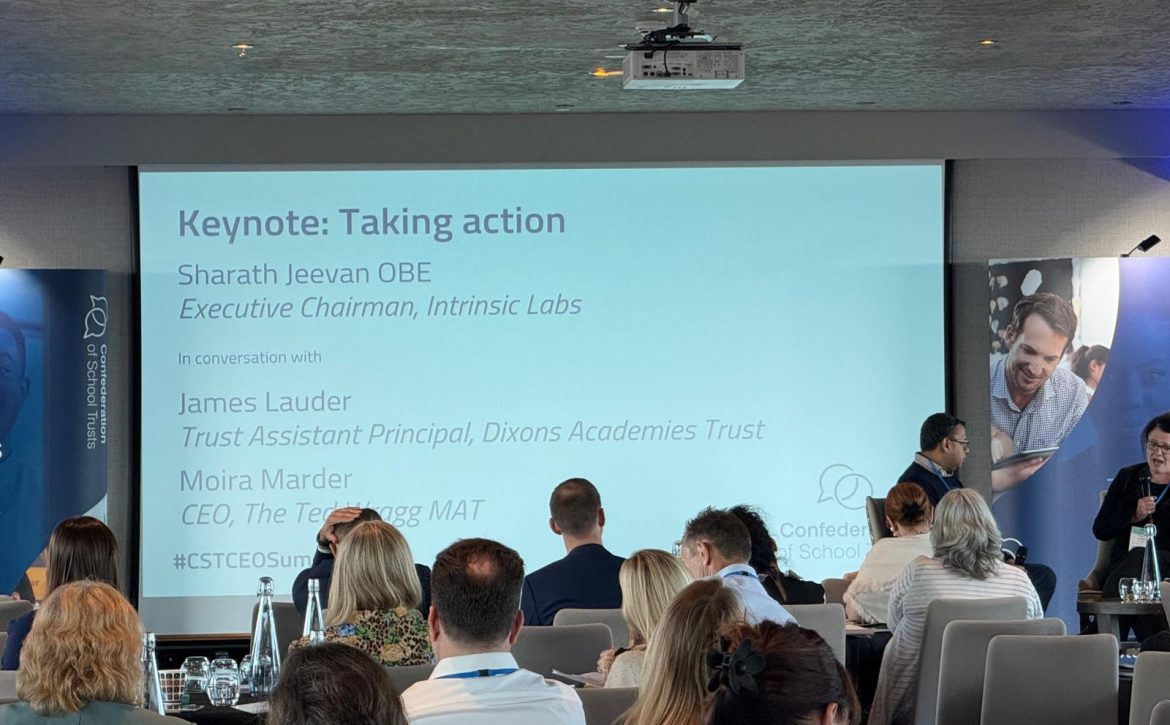
Listening to this week’s panel discussion between Moira, Jim and colleagues, I found myself deeply encouraged by the clarity, honesty and courage shown in their reflections on trust leadership. Their stories, shaped by inflection points like the pandemic, painted a picture of a sector that is beginning to embrace its civic responsibility in a much broader, bolder way.

As someone focused on digital transformation and AI in education, I was struck by how closely their narratives align with our own journey. At TransforMATive, we talk a lot about systems, strategy and infrastructure. But behind every tool and dashboard is a community. And what this panel reminded me is that digital leadership is civic leadership.

From Isolation to Interconnection

What stood out most was the deliberate shift from internal priorities to outward-facing purpose. Whether it was dealing with reputational challenges, expanding across regions, or responding to poverty and attendance issues, every trust leader on that stage acknowledged that the turning point came when they stopped doing to communities and started working with them.

This applies directly to how we think about digital strategy. A central server may connect your schools, but what connects your communities? Are your systems designed only to solve problems inside the school gate, or to enable collaboration and support beyond it?

The most successful digital strategies I have seen are those that start with empathy. Just as the trusts in this panel listened to parents, residents and young people, our digital leaders must listen to users. Staff. Pupils. Families. Technology must not widen the gap between institutions and people. It must close it.

AI: A Tool for Upstream Thinking

Jim’s reflections on tackling attendance through employment support rather than punitive measures spoke volumes. It reminded me of the concept of upstream thinking in digital transformation. Too often, schools are reacting to data, rather than designing systems that prevent the problem in the first place.

AI gives us a powerful opportunity to intervene earlier, smarter and more humanely. From predictive analytics around attendance, to early identification of safeguarding patterns, to AI-driven personalisation of learning support, we now have the tools to shift from firefighting to foresight.

But this requires a reimagining of leadership. As Moira said, we cannot simply run brilliant schools in isolation. We must create the conditions for excellence by connecting people, understanding contexts and using data to empower rather than punish.

Trust, Transparency and Technology

A running theme throughout the panel was the rebuilding of trust. Several leaders shared how their communities had, at one point, felt disconnected or misunderstood. The repair came through listening, transparency and place-based action.

In the digital world, this could not be more relevant. If we are not transparent about what AI is doing, if we cannot explain why certain tools are used, or if parents do not feel their children’s data is being protected, we will lose public trust quickly.

Digital leadership, therefore, is not just about performance. It is about permission. And the only way to earn permission is through open, inclusive dialogue and clear ethical governance.

From Central Office to Civic Square

What excites me most is how trusts are evolving. As the panel noted, we are no longer just providers of education. We are civic institutions, often the last remaining anchor in fragmented local systems. Whether it is food parcels, uniform grants, employment support or green space regeneration, our schools are becoming hubs of social renewal.

At TransforMATive, we are beginning to see the digital equivalent of this. Trusts are asking not just for IT strategies, but for digital blueprints that empower community voice, support civic partnerships and enable joined-up services across local areas.

We need digital systems that reflect local identities, not impose generic solutions. We need place-based platforms that can flex around the needs of different schools and regions. We need AI that learns from the community, not just about it.

Courage to Lead, Capacity to Act

The final message from the panel was about courage. About expanding the mandate of a trust and not waiting for permission to do the right thing. This struck a chord with me, because digital transformation also takes courage. It means challenging old models, confronting discomfort with new technologies and stepping into unfamiliar territory.

As we support trusts in building AI strategies, adopting new systems or overhauling infrastructure, we are constantly reminded that digital maturity is not just a matter of tech readiness. It is a matter of leadership. Of alignment. Of purpose.

Conclusion: A Call to Reimagine

To paraphrase a final reflection from the panel, if not us, who? If not now, when?

We stand at a pivotal moment for education. The question is no longer whether digital transformation will shape our future. It already is. The real question is whether we will shape it in service of our mission.

Let us lead with purpose. Let us design systems that listen, not dictate. Let us use AI not as a shortcut, but as a tool for understanding and justice.

And most of all, let us remember that behind every strategy is a child, a family, a teacher. If our digital systems do not serve them, they serve no one.

Civic Leadership in a Digital Age: Reflections on Purpose, People and the Power of AI

Last week, I had the privilege of listening to a powerful keynote from Leora Cruddas of CST. Her call to reimagine civic leadership not simply as collaboration between institutions, but as a deeper, more meaningful relationship with people and communities, could not have come at a more important time for those of us working in digital transformation within education.

As Leora pointed out, the challenges we face are too complex for individuals or single organisations to tackle in isolation. In today’s environment, which includes rising inequality, economic pressure and a fast-changing technological landscape, we need leadership that is rooted in purpose and grounded in community. Within education, that means reconsidering how we lead in a world increasingly shaped by artificial intelligence and digital systems.

Leadership That Centres People

Digital transformation is still too often seen as a technical project. It is measured in the number of devices, the speed of the internet connection or the efficiency of a helpdesk. But true transformation is about people. It is about how we live our values through the systems we design, and how we use digital infrastructure to serve our communities.

Leora reminded us that schools are microcosms of society. This could not be more true when we consider how technology is used. The systems we choose, the platforms we adopt, the tools we train staff to use, and the way we protect and use data all shape the experience and opportunity of pupils and staff alike. Digital leadership is not a technical function. It is a moral one.

Accountability and Trust in a Digital World

A core theme of Leora’s address was the need to rethink accountability. She acknowledged that the government has a legitimate role in setting the accountability framework, particularly given the level of public investment in education. However, she challenged us to go further.

We need to see accountability not as something done to us, but something we own. We must move beyond what is externally imposed and take responsibility for being transparent and intentional about what we value and how we measure success.

This is particularly true when it comes to digital strategy and AI. Are we using data to evidence compliance, or to improve the lived experience of children and families? Are we chasing metrics that are easy to capture, or investing in systems that reflect our values? Trusts must be clear about their vision for digital and their expectations for how technology will support teaching, learning and organisational effectiveness.

Collaboration Through Autonomy and Interdependence

One of the most compelling ideas in Leora’s speech was the balance between autonomy and interdependence. School trusts have significant freedom, but working in isolation can limit impact. In a connected digital world, the best outcomes come when we work together.

This is something we see clearly through our work at TransforMATive. Whether it is co-designing digital strategies, facilitating shared procurement, or building trust-wide AI policies, collaboration multiplies the impact of individual effort. Internal ownership, supported by sector-wide cooperation, creates a climate where innovation can thrive.

AI as a Leadership Test

Leora introduced a speaker known for helping leaders navigate “inflection points”. There is no doubt that AI represents such a moment. It is changing how we think about learning, teaching, administration and leadership itself.

But speed must not come at the expense of reflection. The education sector must respond to AI with maturity and clarity. That means building governance around its use, upskilling staff, ensuring equitable access, and grounding every AI tool in a clear purpose.

At TransforMATive, we are supporting trusts to craft thoughtful, robust AI strategies. These are not just about tools or productivity. They are about inclusion, agency, trust, and impact. The launch of a national AI policy, combined with the work of pioneering schools and trusts, will shape the future of education in profound ways. We must ensure that digital leadership keeps pace with this change.

Final Reflections: Purpose, People and Platforms

Leora’s keynote returned again and again to the theme of purpose. It is a useful reminder. Digital change is not about systems alone. It is about who we are and what we stand for.

If we can bring the same values-led approach to digital strategy as we do to curriculum or safeguarding, then the future of education will be both digitally enabled and deeply human. Let us lead with purpose, measure what matters, and take this moment seriously.

We are building more than systems. We are building a better future.

Why Invest in Technology Now?

As we approach the end of the budget-setting period, many schools across the country are navigating challenging financial decisions. The recent announcement of a 4% pay rise for teachers, supported by £615 million in additional funding, is a commendable step towards valuing our educators Schools Week.

However, with schools expected to cover a portion of this increase through internal efficiencies, it’s clear that strategic investments are more crucial than ever.

Why Invest in Technology Now?

  • Enhance Quality: Implementing advanced educational tools can elevate teaching and learning experiences.
  • Manage Risk: Robust IT systems can protect against data breaches and ensure compliance with regulations.
  • Reduce Costs: Automation and digital solutions can streamline administrative tasks, leading to significant savings.
  • Generate Revenue: Online courses and virtual learning platforms can open new income streams.

At Transformative, we specialise in guiding educational institutions through digital transformations that align with their unique goals and challenges.

Ready to Future-Proof Your School?

Let’s discuss how we can support your institution in leveraging technology for sustainable growth and excellence.

#Education #SchoolBudget #EdTech #DigitalTransformation #TransformativeSolutions

People First: Celebrating 3 Years of TransforMATive with Strategy, Skills, and a Bit of ‘The Cube’

As TransforMATive celebrates its third birthday, we’re taking a moment to reflect on what really drives our impact: our people. From the very beginning, our mission has been rooted not only in supporting digital transformation across education and the public sector, but in building a company where people feel valued, supported, and empowered to grow.

At the heart of our success is a simple but powerful belief—people matter most.

Whether we’re shaping AI strategy for a Multi-Academy Trust or delivering digital leadership roundtables, our work is only possible because of the passion, insight, and commitment of our team. That’s why we continue to invest in a people-centred strategy that prioritises talent recruitment, development, and—most importantly—retention.

To mark our milestone, we wanted to do something memorable. So, we invited our team to step into a very different kind of challenge: TransforMATive Takes on The Cube.

Why The Cube? Because, in many ways, it mirrors what we value as a business.

Success in The Cube isn’t just about individual ability—it’s about strategy, adaptability, teamwork, resilience, and yes, a bit of healthy competition. These are the same qualities that underpin our approach to transformation projects and client relationships. It was a chance to laugh, to connect, to support each other under pressure—and to reflect on how we apply those same principles every day in our work.

This experience reminded us that no strategy is effective without the right people to bring it to life. That’s why we’re focused on:

Attracting exceptional talent who share our values and ambition.

Fostering a culture of trust, collaboration, and continuous learning.

Creating space for wellbeing, creativity, and fun—because great work happens when people feel great.

As we enter our fourth year, we’re more committed than ever to making TransforMATive not just a place to work, but a place to thrive.

To everyone who has been part of this journey—thank you. Let’s keep building something brilliant, together.

Celebrating Change: The Impact of the TransforMATive Leadership Programme 2024–25


On Thursday 24th April 2025, Google HQ in London became the backdrop for a remarkable day of celebration, reflection, and forward-thinking collaboration, marking the culmination of the TransforMATive Leadership Programme 2024–25. With over 50 leaders from Multi-Academy Trusts in attendance, this milestone event brought together visionaries, data pioneers, digital strategists, and educators to showcase and share how digital transformation can be a catalyst for equity, efficiency, and educational excellence.

A Programme Rooted in Purpose

Chaired by Jonny Wathen, Lisa Hawker, and John Murphy, the programme has been more than professional development—it’s been a transformative journey of strategic leadership. Through immersive learning, peer collaboration, and deep dives into digital strategy, participants explored how technology can drive improvement across governance, finance, inclusion, and curriculum.

The programme’s structured approach was designed to tackle real sector challenges: from the digital divide to workload pressures, from sustainability concerns to data fragmentation. Sessions like “Developing and Implementing a Digital Strategy” and “Google AI Studio in Schools” provided not just inspiration but practical tools that MATs are already embedding into their strategies.

Showcasing System Leadership in Action

The event celebrated individuals and trusts leading from the front:

  • Andrew Harris and James Browning demonstrated how a strategic, values-led digital approach is embedding across entire trusts.
  • Andrew Walls showcased Google AI Studio’s potential—from teacher coaching to web accessibility, redefining automation in schools.
  • Mark Hancock revealed how River Learning Trust has unified fragmented data systems to enable real-time insights.
  • Cheryl Shirley and Fiona Law offered practical examples of how inclusive EdTech and accessible tools can empower staff and learners.

Award-winning moments, such as Dewan Chowdhury’s contributions to data visualisation using BigQuery, reminded us that innovation often comes from unexpected corners of our teams.

The Real Impact

Participant feedback paints a powerful picture:

“What I thought would be IT-focused became a transformative leadership journey.”
“The course has been brilliant and eye-opening… offering valuable insights and new perspectives.”
“It’s empowered us to rethink how we meet, collaborate, and prioritise what matters.”

More than CPD, the programme sparked strategic alignment across trusts—linking digital strategy directly to teaching, inclusion, finance, and culture.

A Shared Mission: Equity, Excellence, and Innovation

The concluding panel discussions and reflections underscored a key message: digital strategy is no longer a future consideration—it’s a current necessity. Whether improving governance, enabling staff wellbeing, or empowering pupil outcomes, technology is reshaping the educational landscape.

Thanks to Google for Education for hosting, and to every trust who shared openly, challenged norms, and collaborated with courage.

As one delegate put it, “This is system leadership in action—together, we’re raising the bar and closing the gap.”

Celebrating Innovation in Education: Wakefield’s School Leaders Conference

We’re still buzzing from the incredible School Leaders Conference hosted by Wakefield Education Services. A huge thank you to the brilliant Wakefield team for the kind invitation and warm welcome—it was a privilege to be part of such an inspiring and energising event.

The day brought together passionate educators, thought leaders, and change-makers all exploring the role of Artificial Intelligence in shaping the future of teaching and learning. From big-picture strategy to practical implementation, every session offered powerful insights and sparked rich conversations.

It was especially meaningful to work alongside our trusted TransforMATive Associate, the amazing Emma Darcy, whose keynote on AI in education struck the perfect balance between vision, pragmatism, and challenge. Her session left delegates feeling empowered and equipped to take their next steps.

A special shoutout goes to Pepe DiIasio for his Friday afternoon keynote—thought-provoking, energising, and a perfect way to close the conference on a high. His reflections reminded us of the importance of leadership, curiosity, and courage in times of change.

At TransforMATive, we know that navigating digital transformation in education—especially during financially and structurally challenging times—can be daunting. But events like this remind us that innovation thrives in community. When system leaders come together with openness, ambition, and shared purpose, great things happen.

If your organisation is exploring how to harness AI, build digital confidence, or develop a strategic transformation plan, we’d love to connect and support your journey.

Let’s keep the momentum going.

From Ambition to Action: A Sector-Wide Look at Digital Transformation in MATs

At TransforMATive, we believe digital transformation is no longer a future ambition—it’s a present necessity. Our latest analysis, grounded in data from our MAT Digital Maturity Survey, explores the shifting landscape of digital innovation across Multi-Academy Trusts (MATs) in England.

This blog shares key insights into the evolving priorities, strategic initiatives, and persistent challenges MATs face as they embrace technology to improve both educational and operational outcomes.

What We’re Seeing Across the Sector

1. Cloud-first Thinking is Becoming the Norm
Trusts are continuing their shift to cloud-based Management Information Systems (MIS), with a significant number already streamlining HR, finance, and compliance through paperless processes. Centralised procurement and standardised tenancy platforms (e.g. Google Workspace, Microsoft 365) are also rising as Trusts seek efficiency and consistency.

2. AI is Moving from Hype to Pilot
Interest in AI has surged, particularly for lesson planning, marking, and back-office automation. Around a third of Trusts report piloting AI tools—marking a critical transition from curiosity to experimentation.

3. Devices Matter, But So Does Infrastructure
1:1 device strategies (e.g. Chromebooks and iPads) are widespread, with some Trusts rolling out provision to over 90% of pupils. But infrastructure readiness remains a barrier for many, highlighting a continued need for investment.

What’s Driving Change?

The 2024/25 data points to efficiency, workload reduction, and curriculum innovation as leading motivators for MATs. With strategic growth and teacher retention also in focus, digital transformation is no longer siloed in IT—it’s a Trust-wide imperative.

Meanwhile, sustainability is gaining prominence, with MATs beginning to factor in carbon impact when making technology decisions.

Challenges in the Way

Despite progress, MATs are not without hurdles:

  • Limited time and funding remain the top barriers.
  • Staff engagement varies, often slowed by competing pressures and data protection concerns.
  • Digital leadership capacity is lacking in many Trusts—40% report needing external expertise to drive change effectively.

Opportunities on the Horizon

  • AI Integration: Early pilot projects provide a platform for scale—if supported by strategy, training, and governance.
  • Data-driven Decision-making: Platforms like Power BI are helping Trusts link performance data with interventions.
  • Cybersecurity & Compliance: As regulation tightens, there’s renewed urgency around GDPR training and governance frameworks.
  • Sustainability: Cloud infrastructure and digital workflows present a tangible way to reduce paper use and emissions.
  • Peer Collaboration: Trusts that network and share best practice show stronger digital adoption and higher staff morale.

Our Recommendations for MATs

To capitalise on momentum and navigate complexity, MATs should:

Develop a Clear, Shared Roadmap
Set measurable goals, aligned to Trust priorities, and communicate them widely.

Invest in People, Not Just Platforms
Provide staff with the time and training they need to engage confidently with digital tools.

Engage All Stakeholders
Involve educators, leaders, pupils, and parents in shaping how technology is used across the Trust.

Lean on Trusted Partners
Specialist support can help MATs unlock AI’s potential and reduce the risk of implementation missteps.

Embed Cybersecurity and Governance
Make compliance and risk management part of daily digital practice, not an afterthought.

Start Small, Learn Fast, Scale What Works
Pilot new tools, gather feedback, and scale successful approaches—sharing learnings with the wider sector.


Conclusion: A Sector in Motion

Digital transformation across MATs is happening—but at different speeds, with varying levels of resource and capacity. The opportunity is clear: when done well, digital strategies can drive meaningful improvements for pupils, reduce burden for staff, and unlock innovation across the system.

But realising this vision takes more than tools—it requires clarity, collaboration, and long-term commitment.

Let’s walk the path from vision to value, together.